Experiences on the Plains
2025 Edition
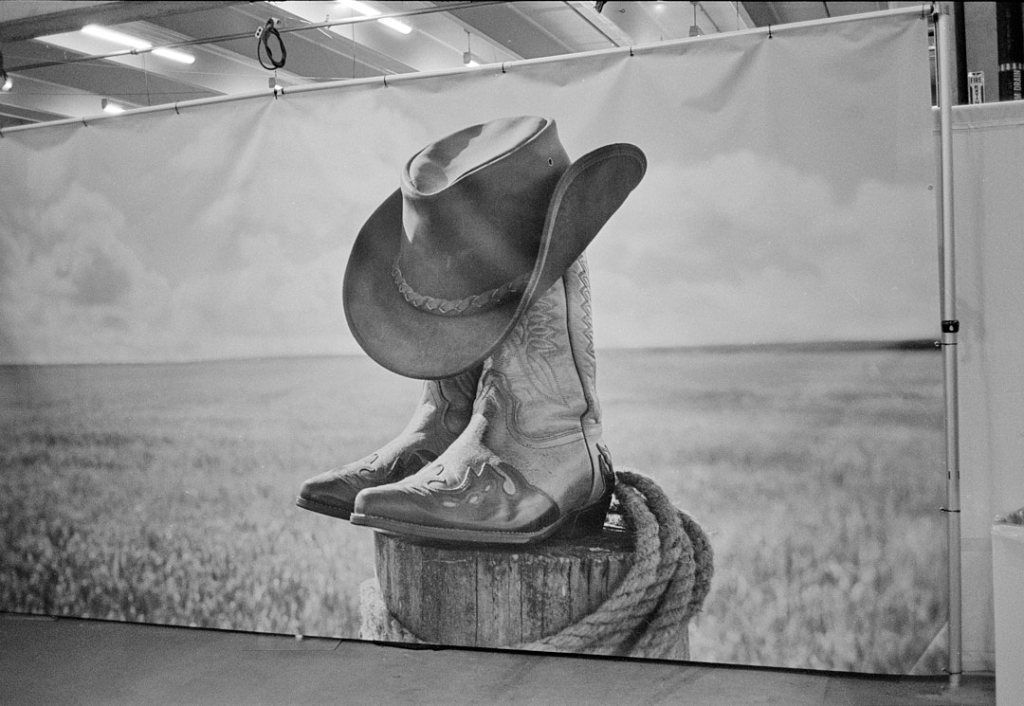
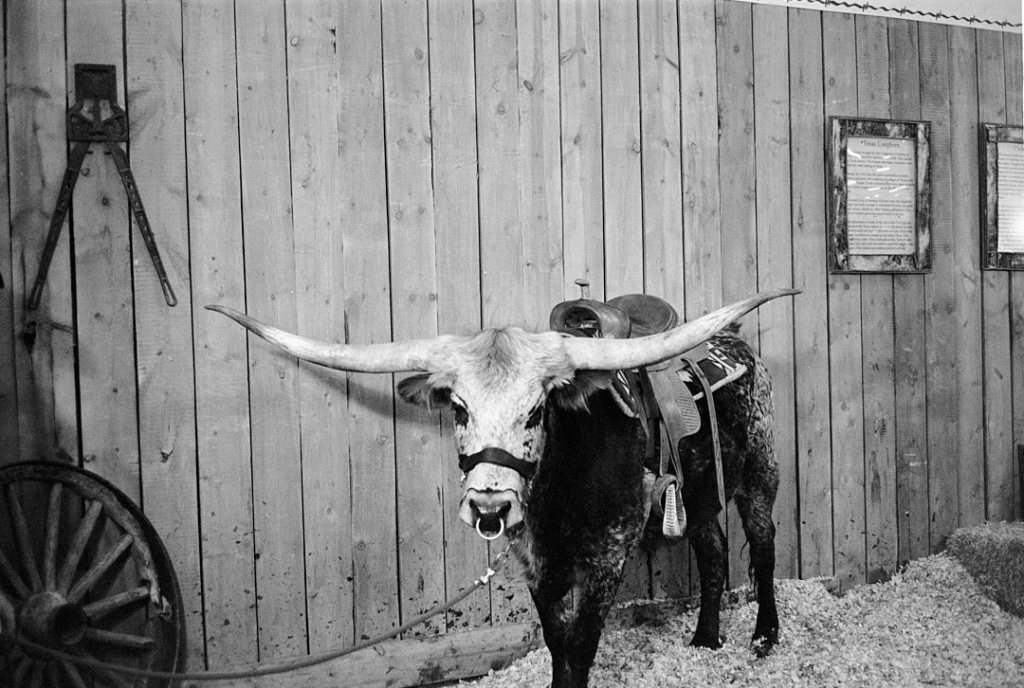
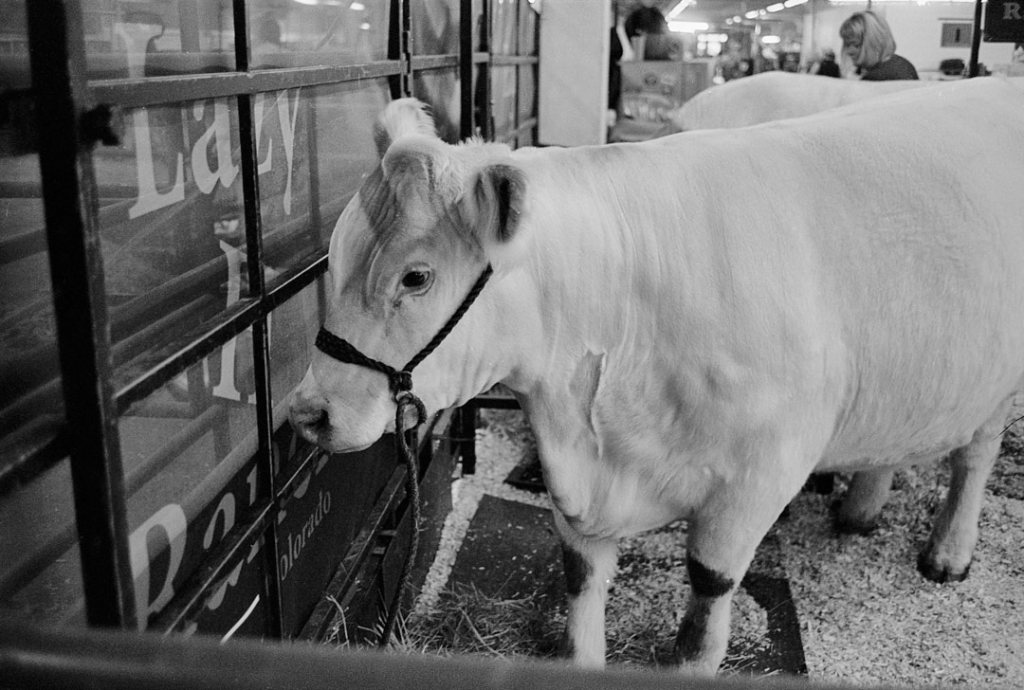
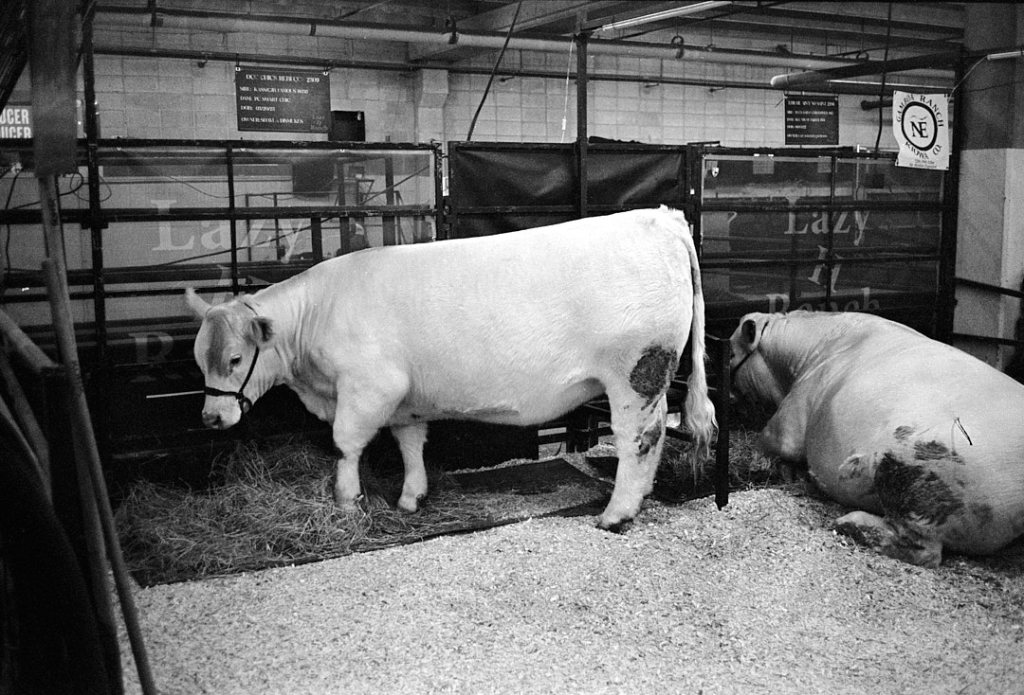
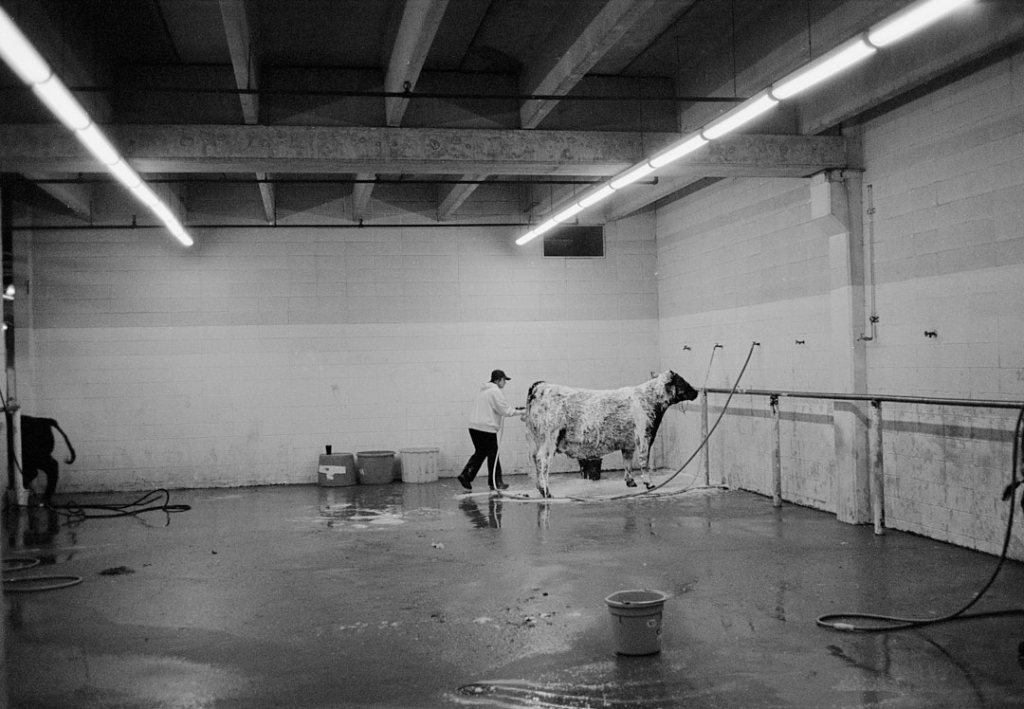
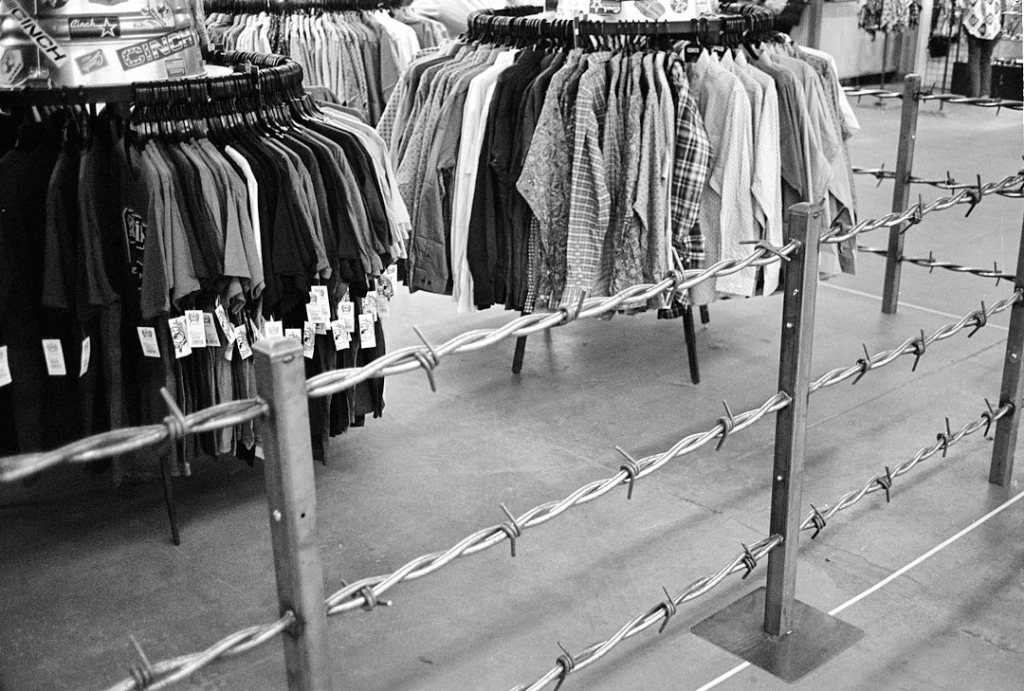
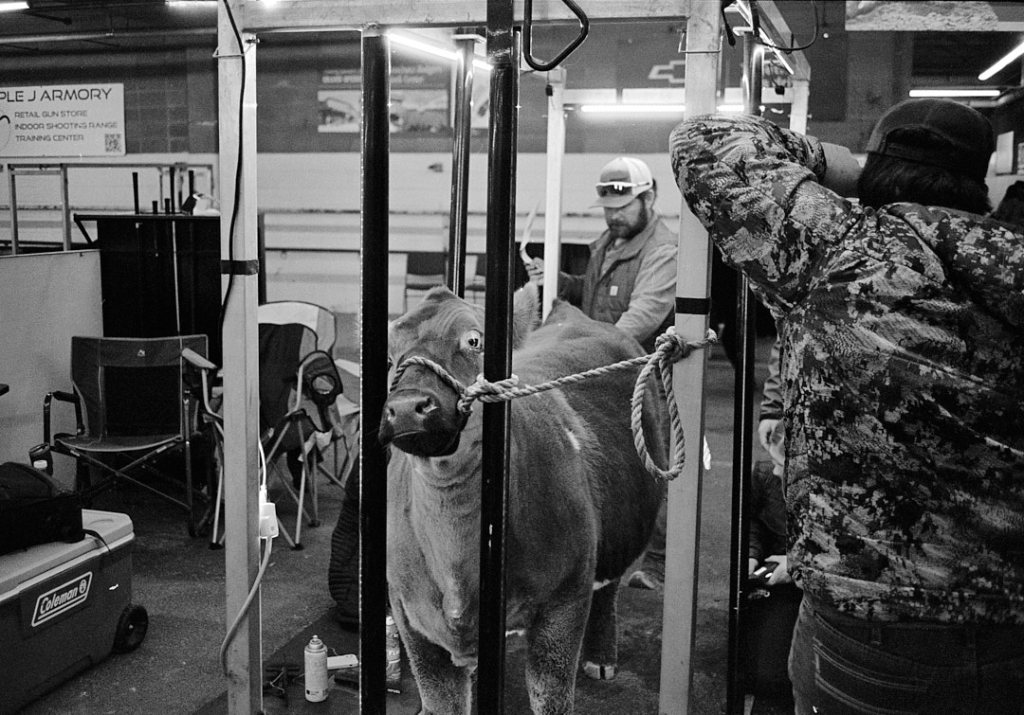
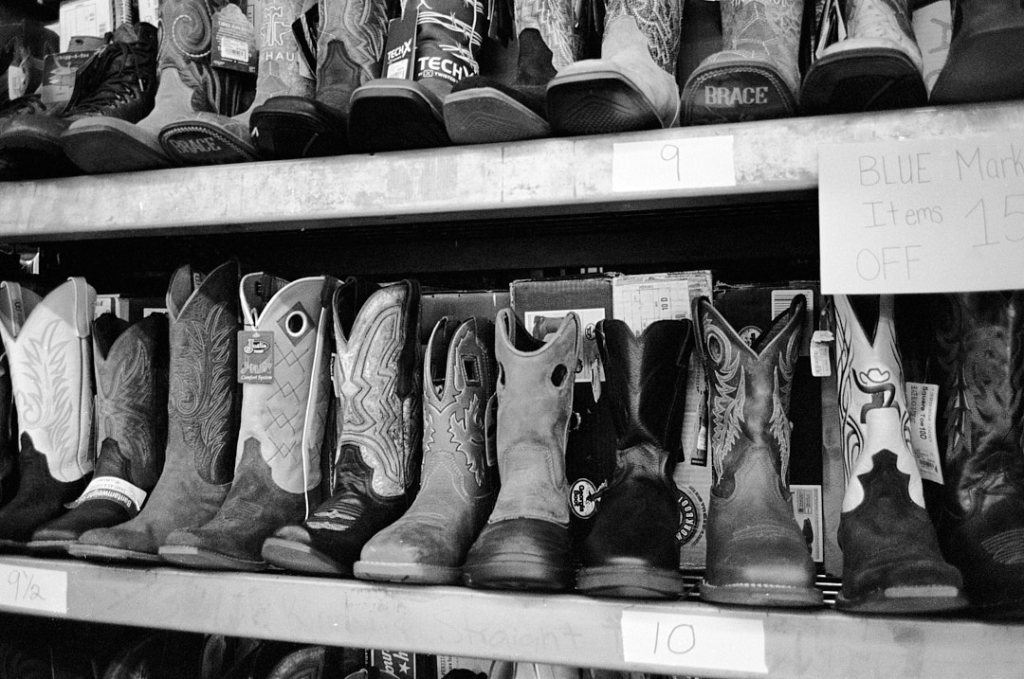
I enjoy going every January – it’s cold, there’s a ton of people and parking is difficult- unless you know the secrets: Go on a weekday, early. Park at the Coors Field lot and take the shuttle and wear all the winter western wear that you keep buying.
Go to the basement to see the animals being prepped. Then it’s up one floor to the judging. Then to the 2nd floor in the back to the Coors Art Show. Amazing western art. None of it less than $10,000!! I couldn’t decide who had the best art so I voted for Thomas Blackshear who I’ve met – he lived at one time nextdoor to my folks.
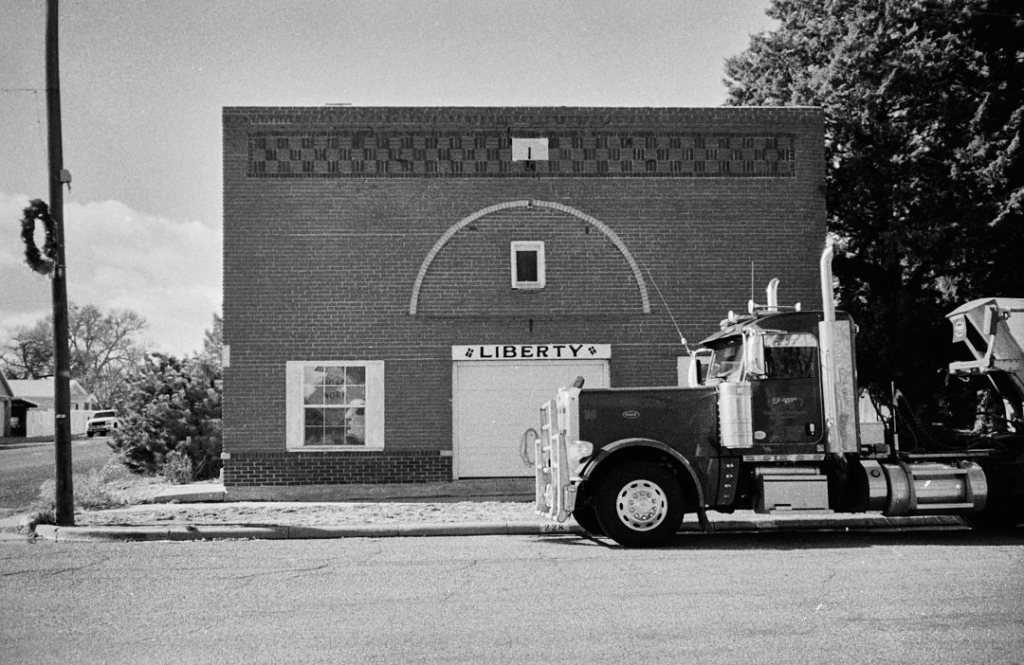
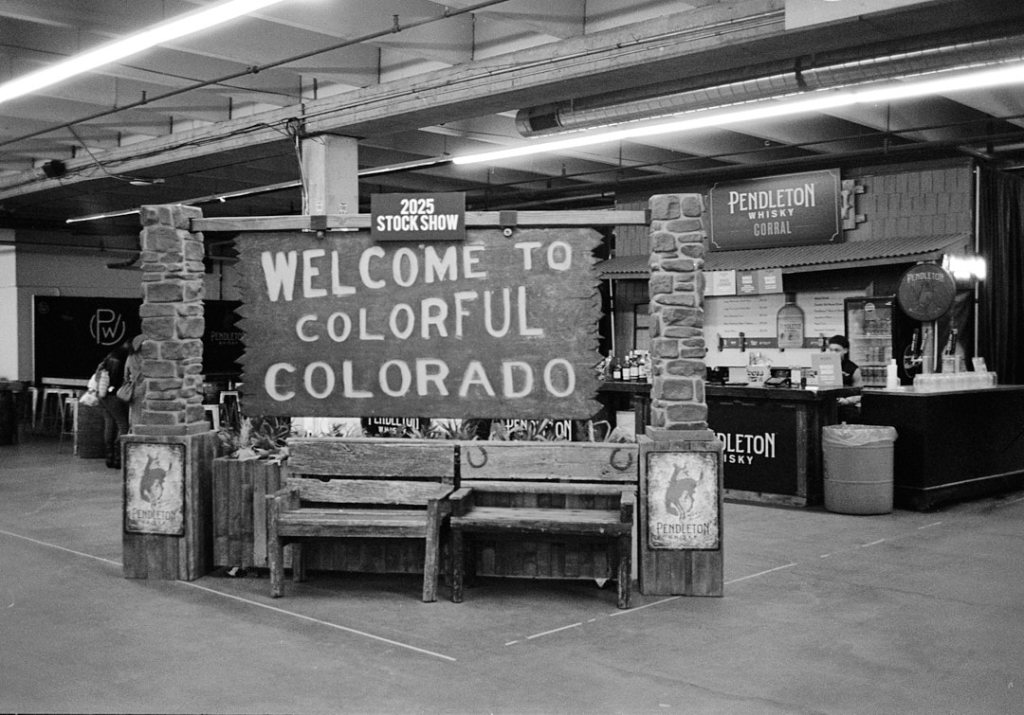
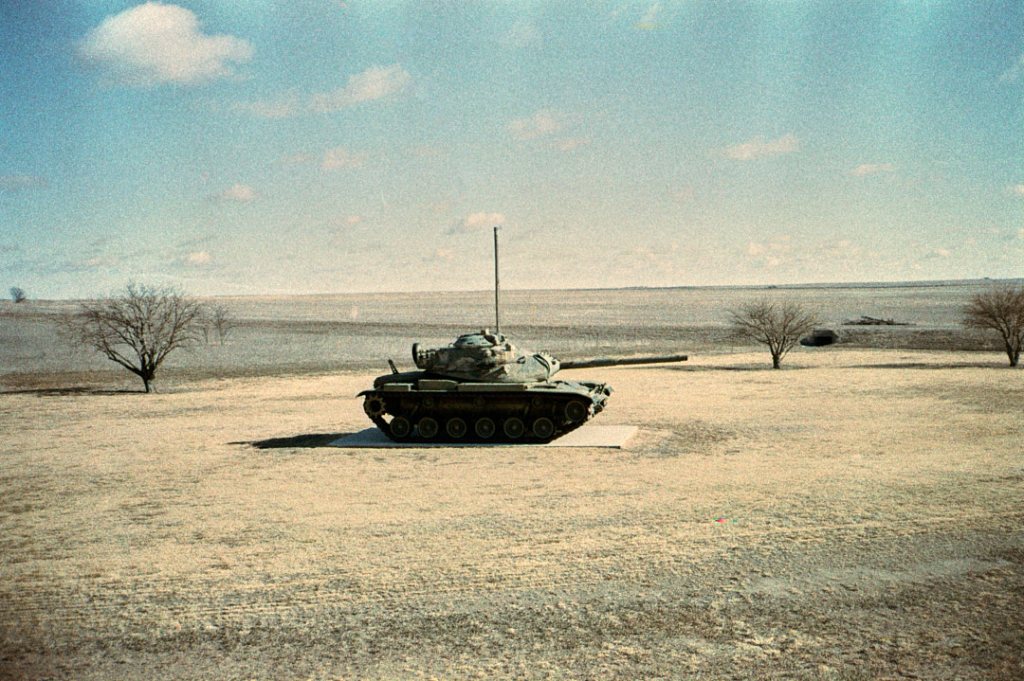
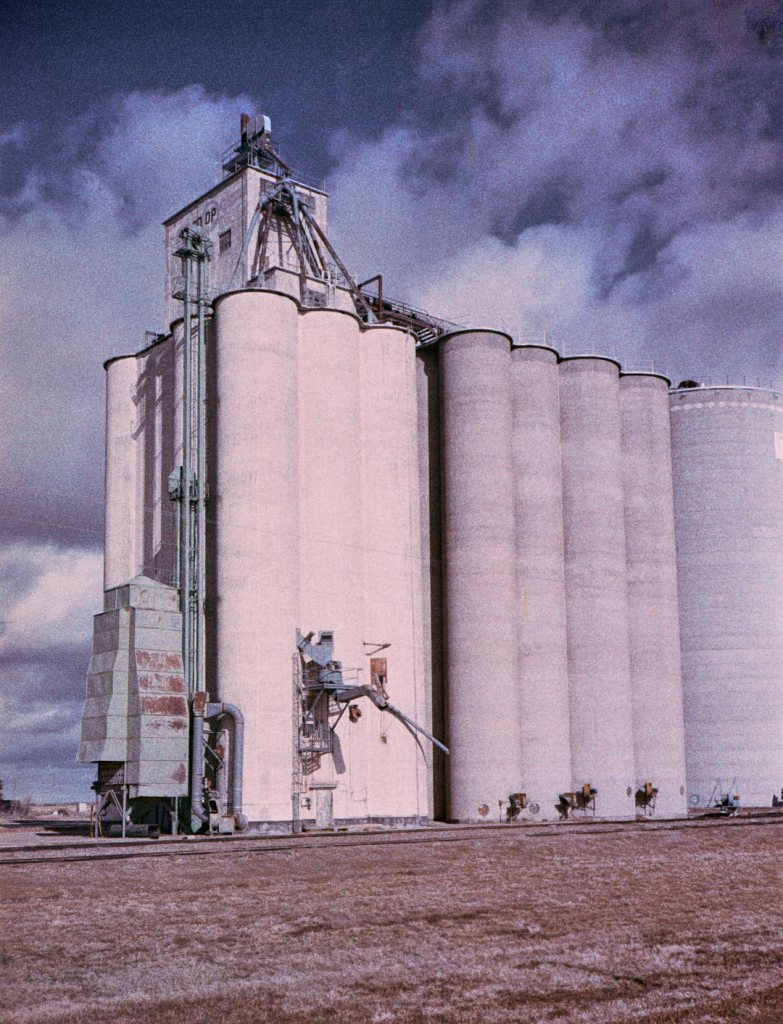
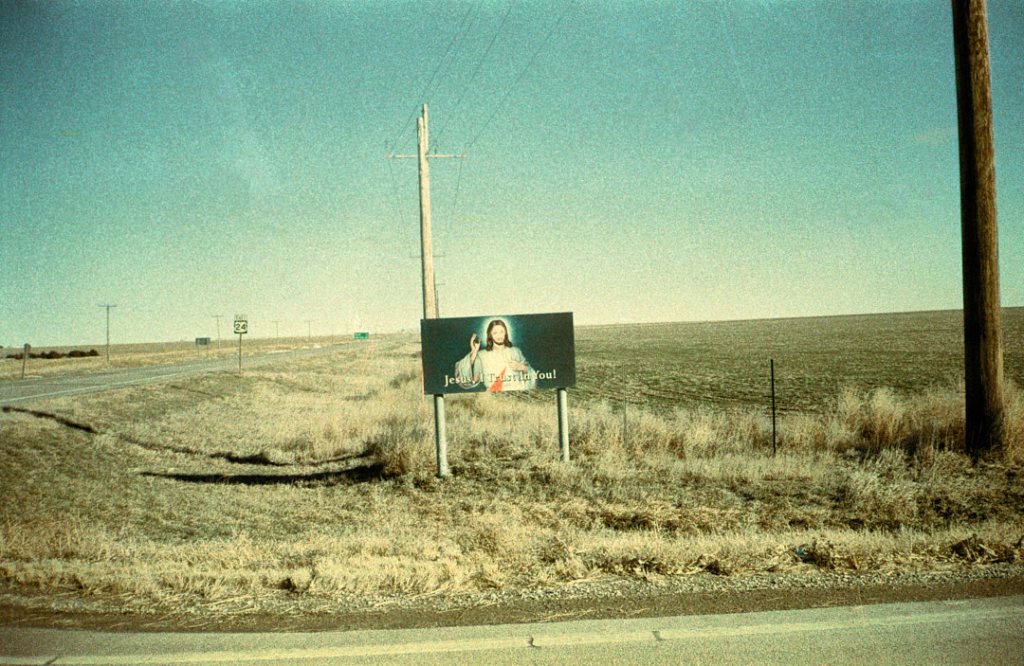
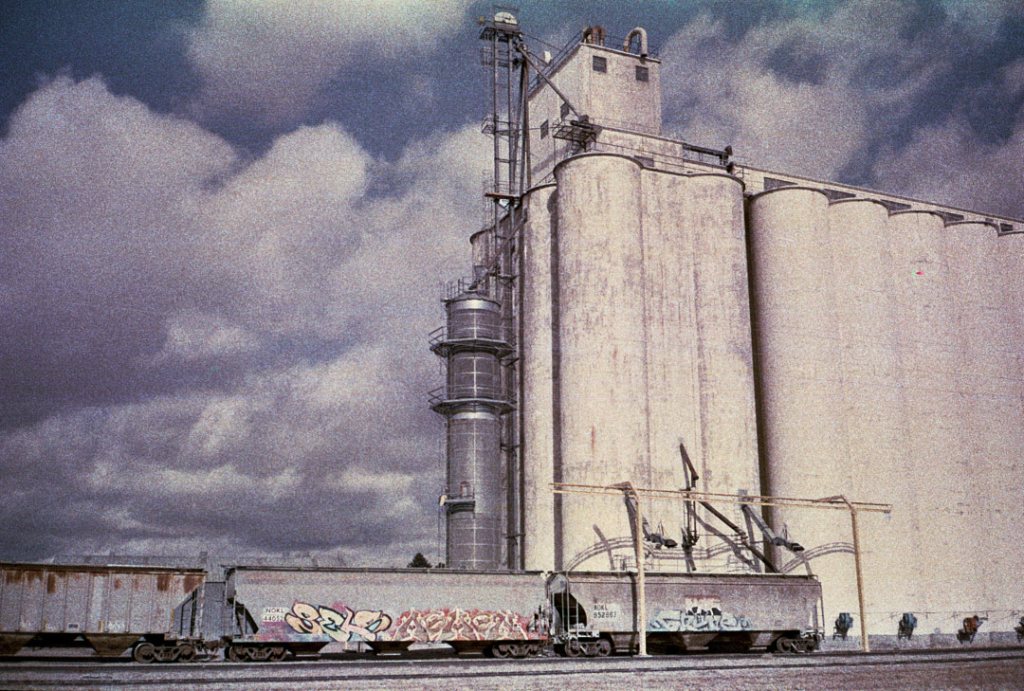
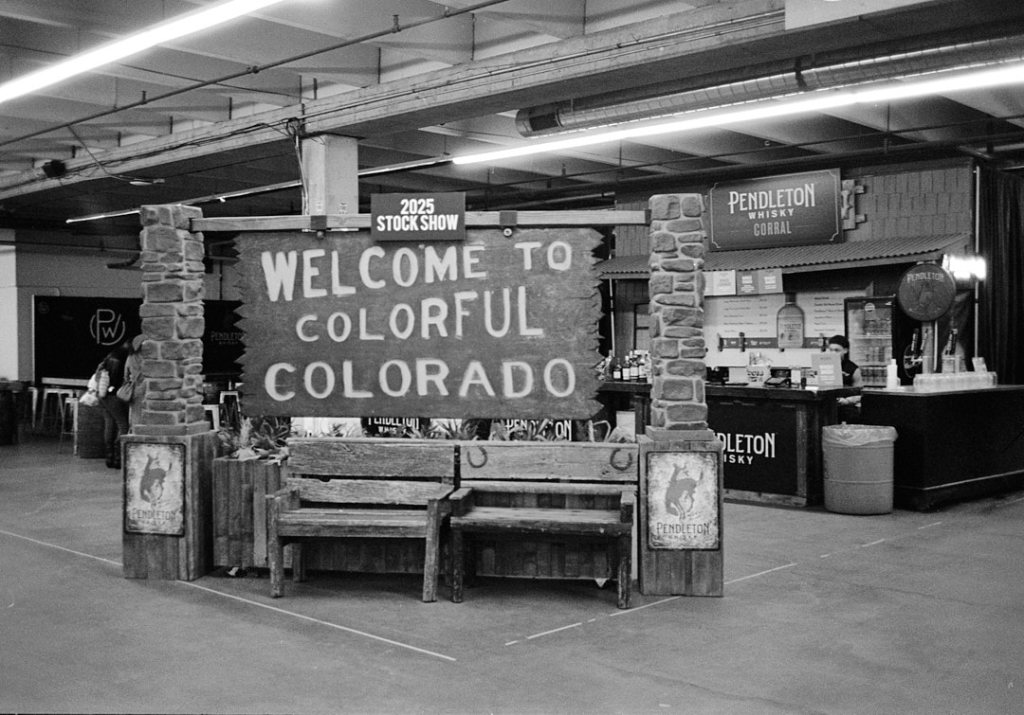
But I’ll try to do better in the future. Here are some recent photos from the plains. The “Welcome to Colorful Colorado” is from the National Western Stock Show.
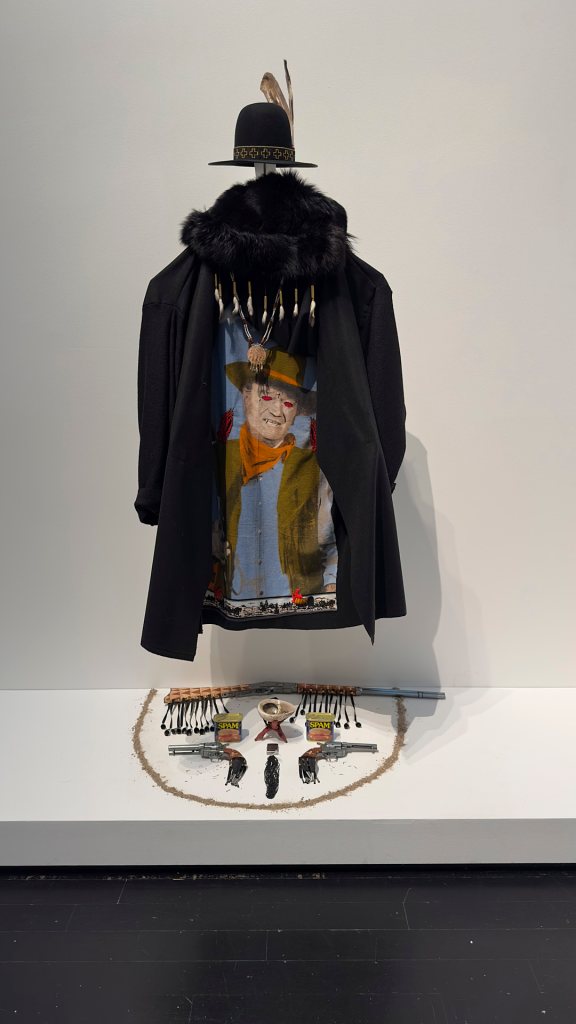
Museum of Contemporary Art in Denver is hosting a wonderful exhibit of alternative thoughts about the cowboy. Just a few shots of the exhibit
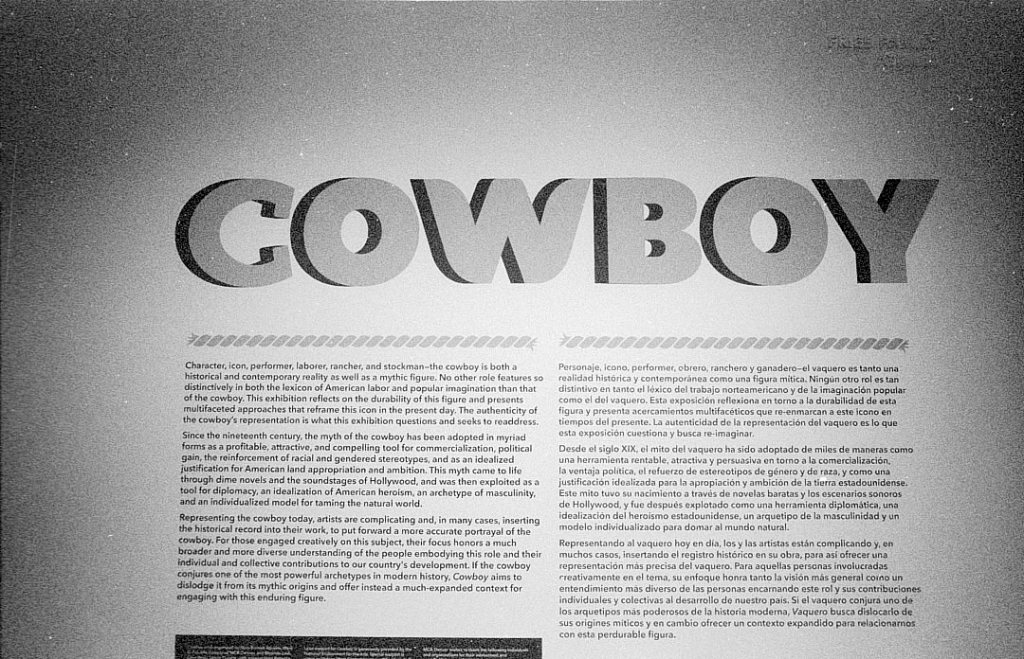
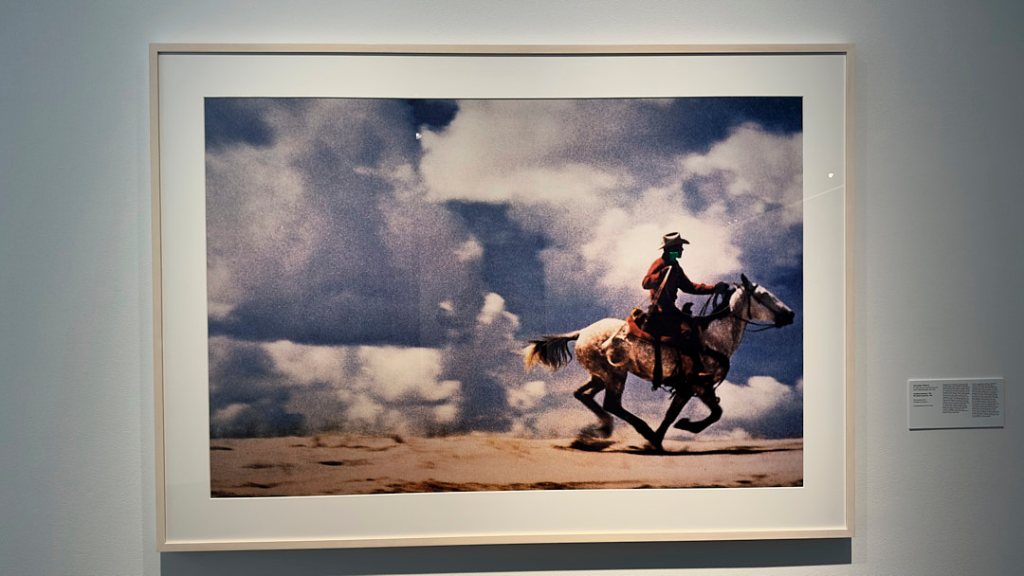
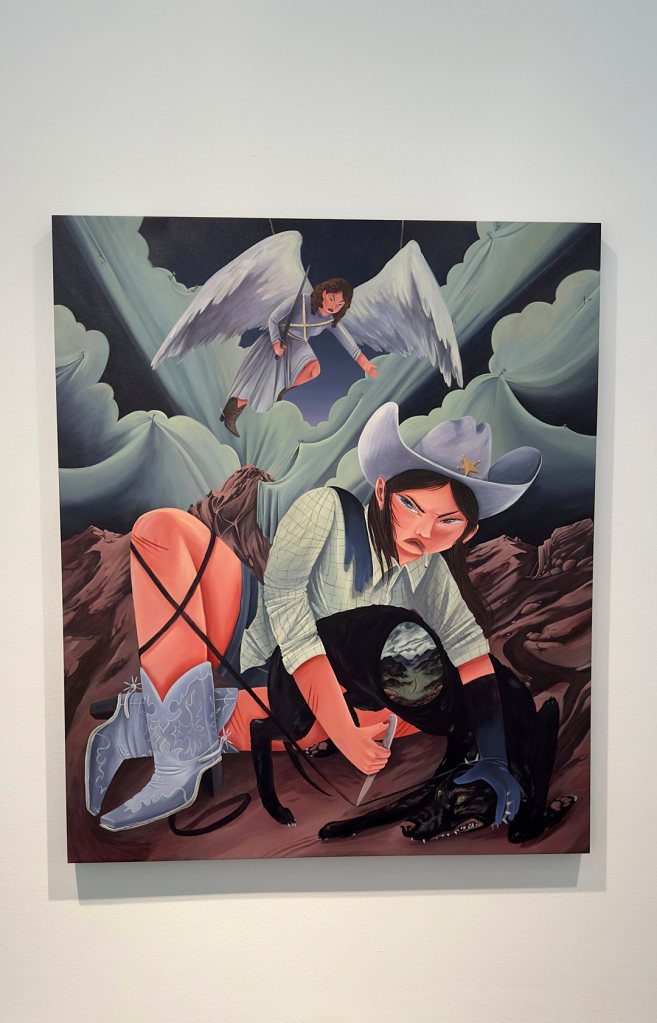
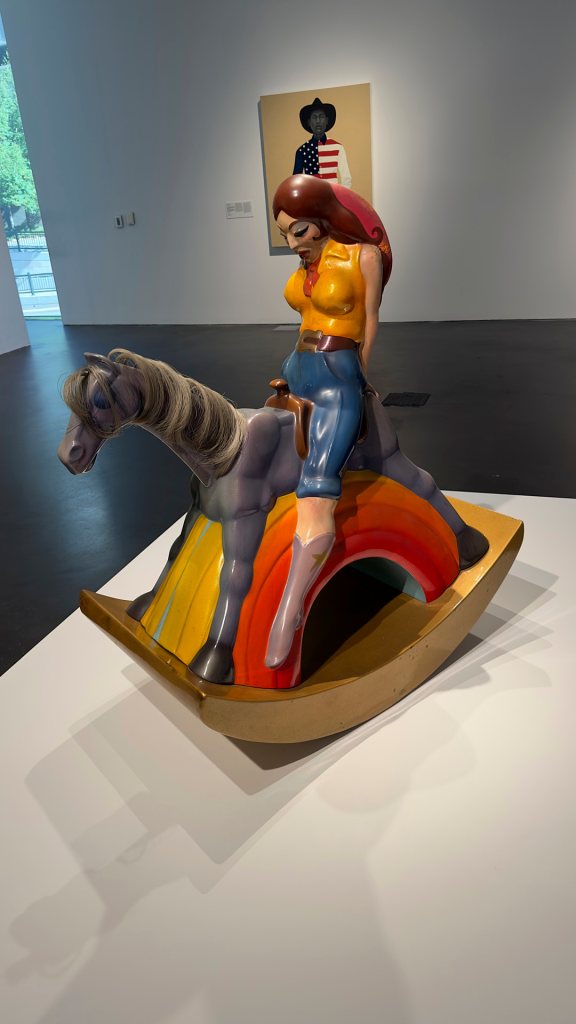
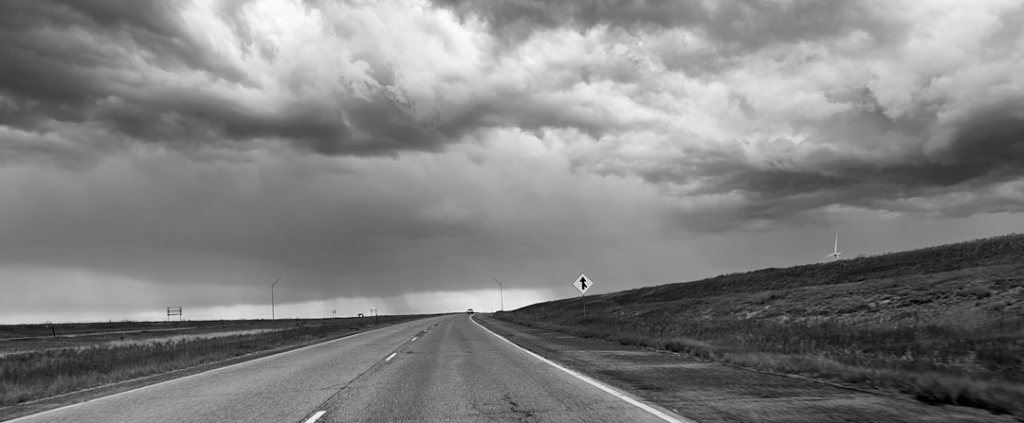
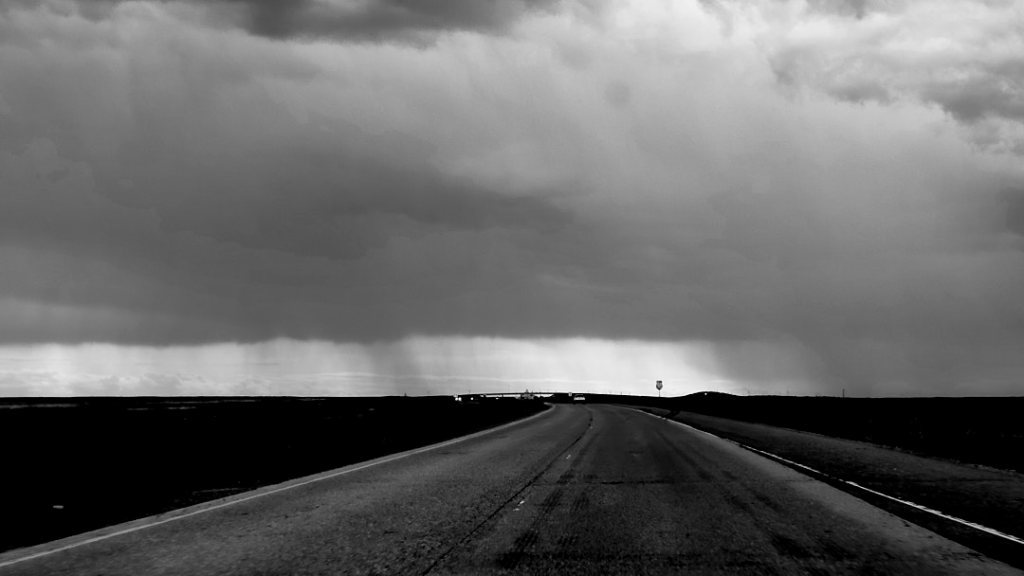
There is a short period of time each year where the weather on the plains is calm, subdued. Even in October you can run into some storms – I do think that this is part of the climate change that we all are experiencing ( and some acknowledging).
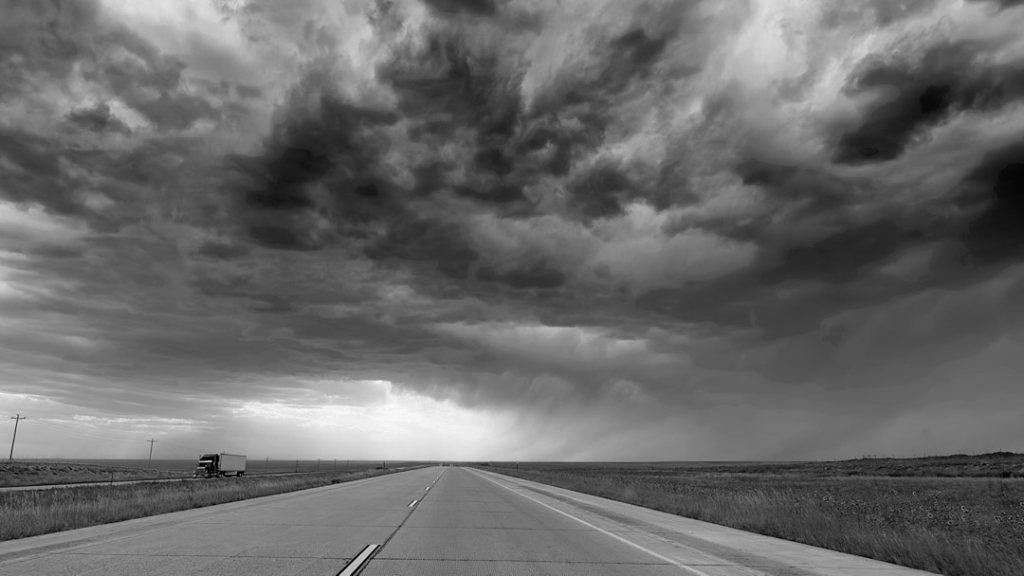
So when I venture out East of Denver you have to be aware of the weather. Fall and Spring are maybe the exception but not always given the change in weather patterns recently. Here’s a picture on I70 headed west to get back home to Denver – I check the weather radar for situations like this to see what are the chances of running into a storm that is best avoided.
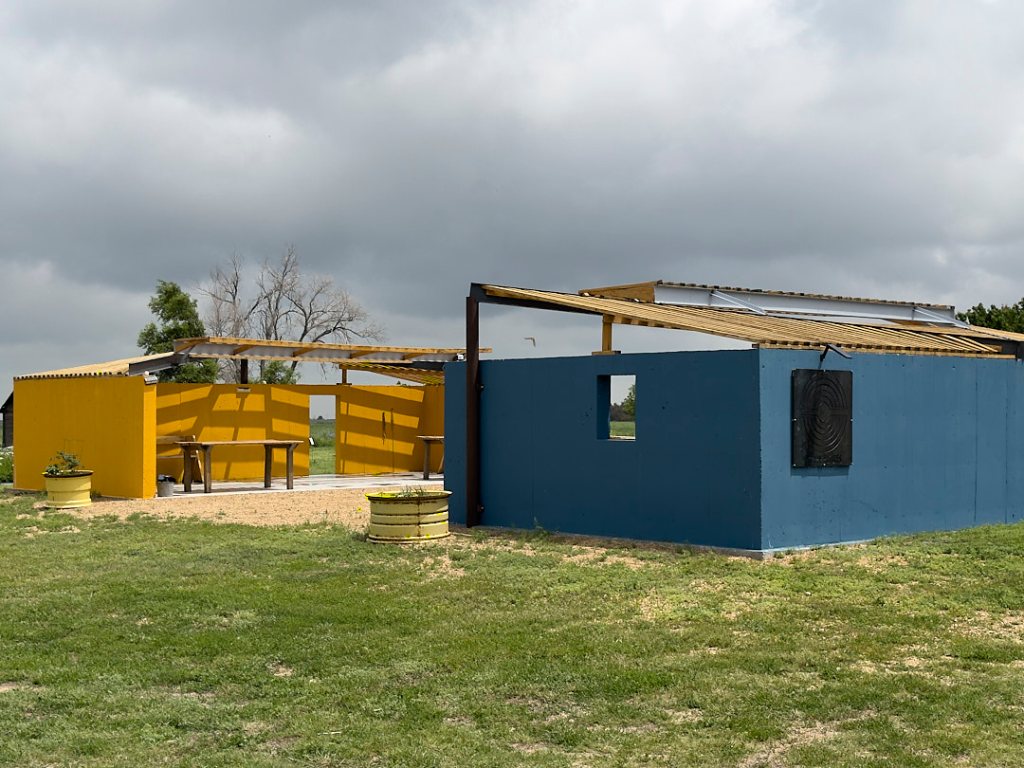
Prairie Futures is a public artwork and agriculture landscape installation which aims to cultivate cross-disciplinary approaches to climate compassion thru art practices and social connections in the Colorado High Plains
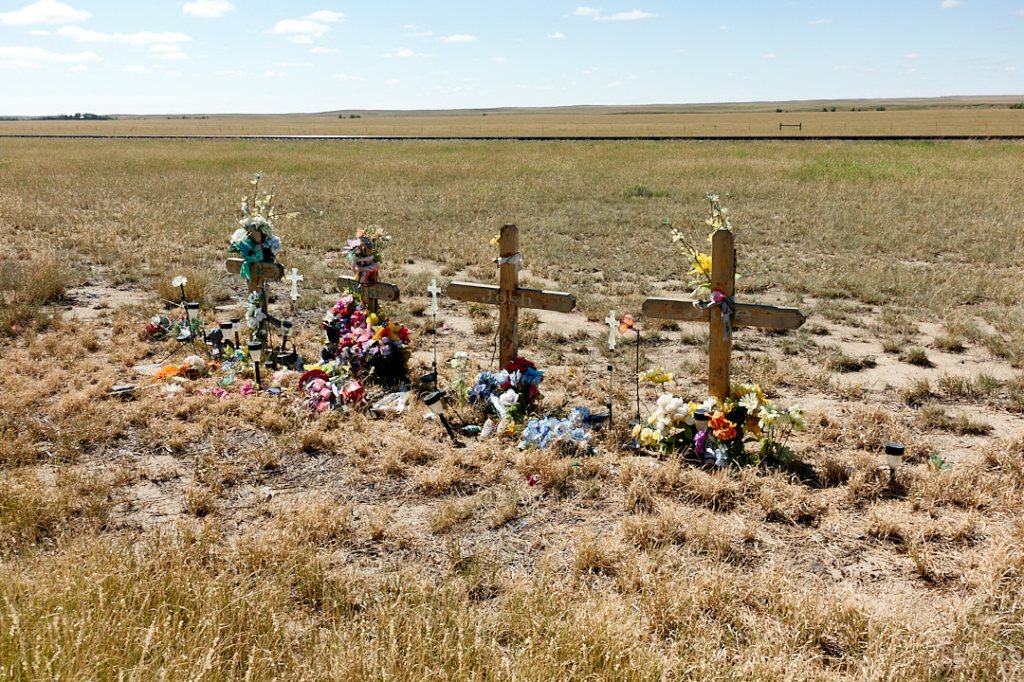
I’ve thought about doing a companion book to the cemetery book – Gates Ajar dealing with roadside memorials. They are all arounds us but you have to keep your eyes open and be willing to do a U-turn to go back and photograph them.
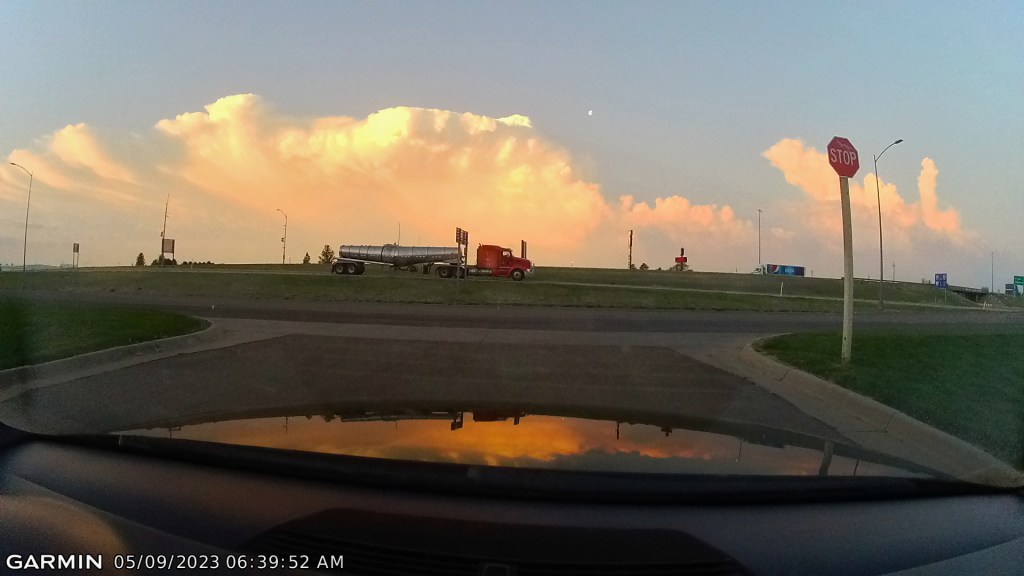
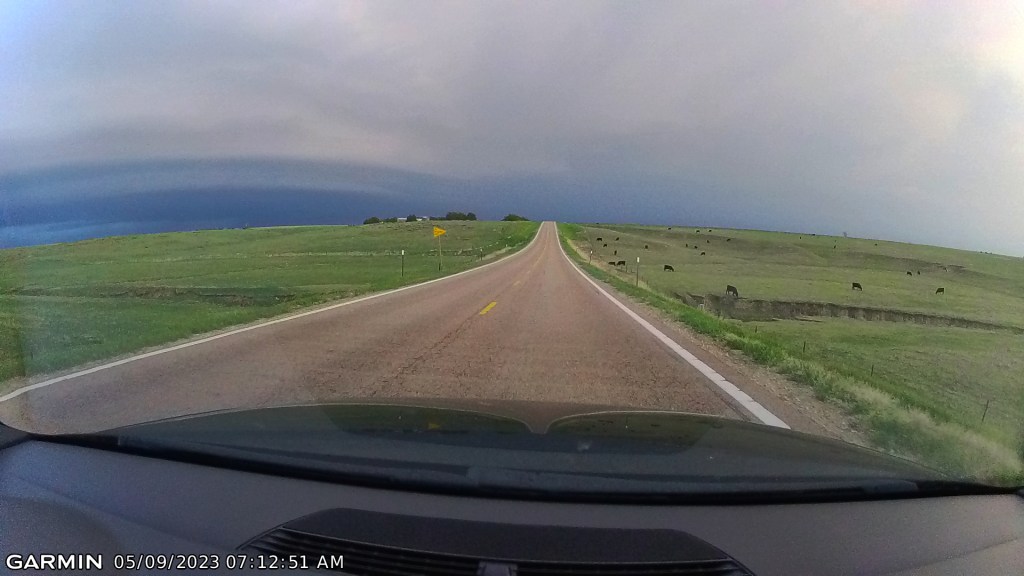
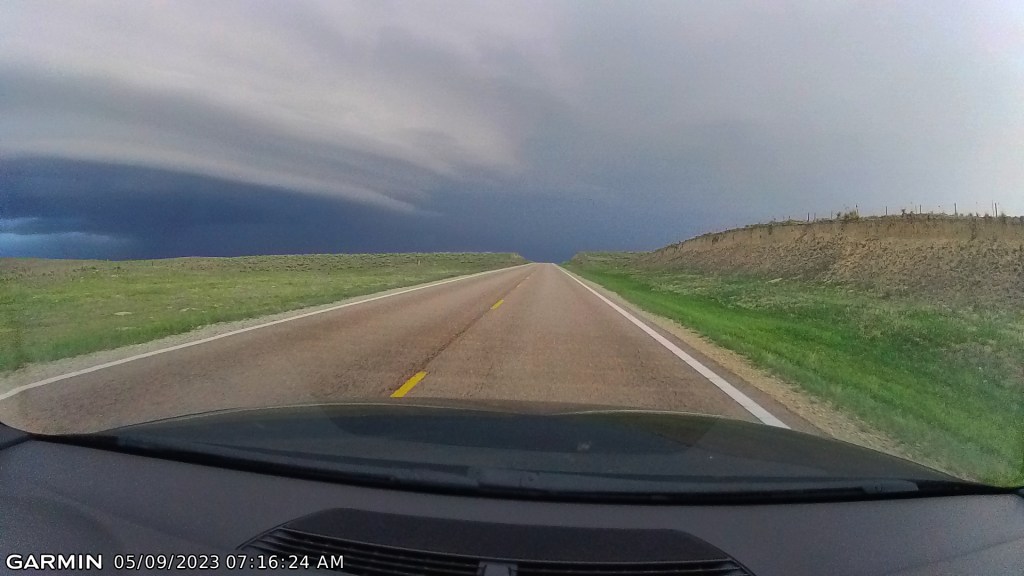
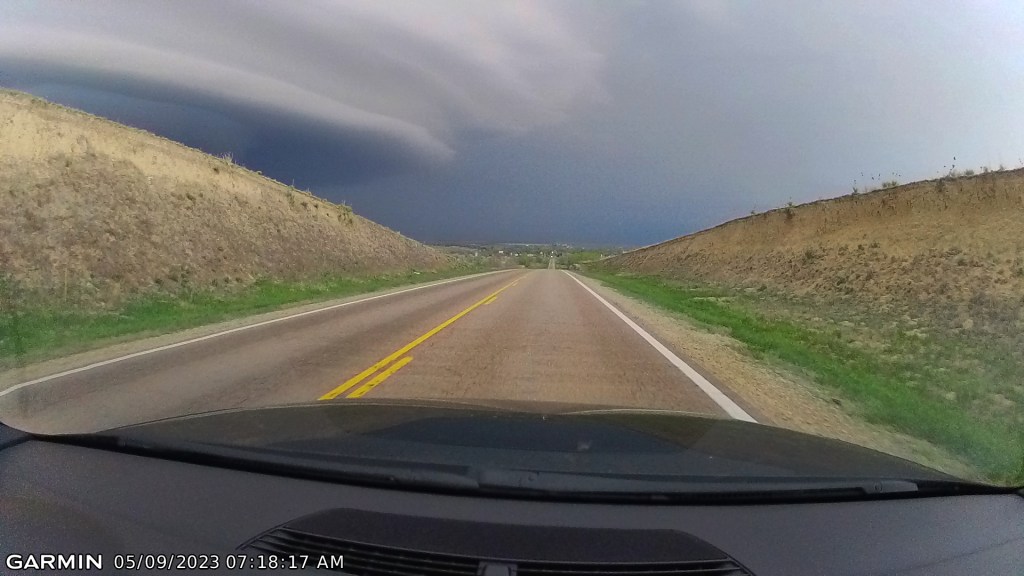
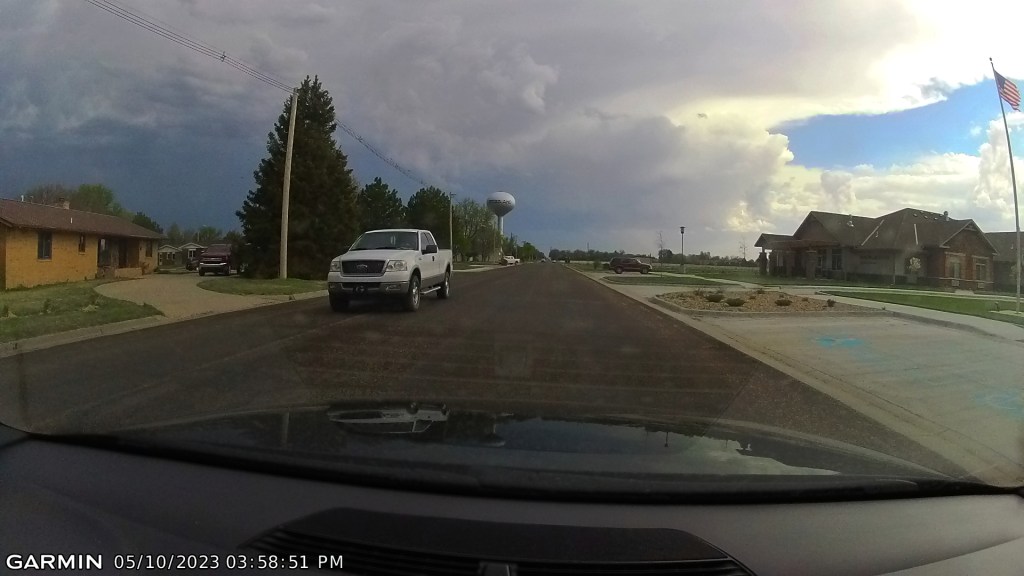
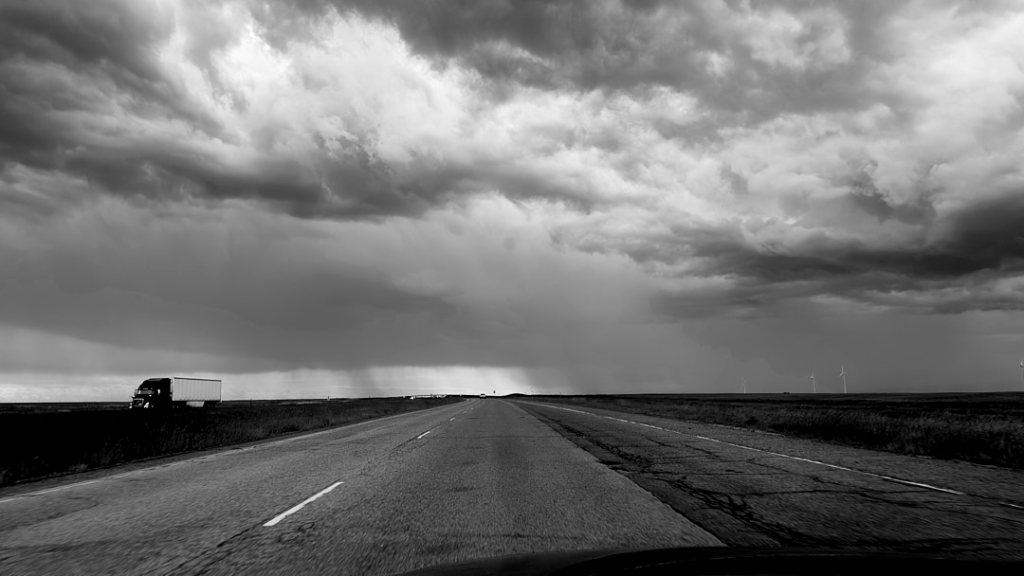
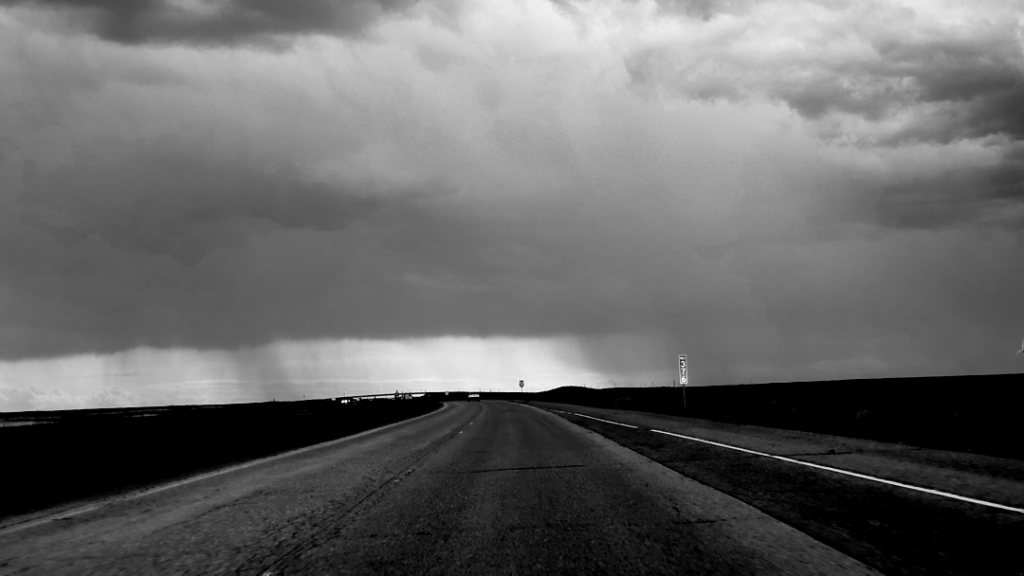
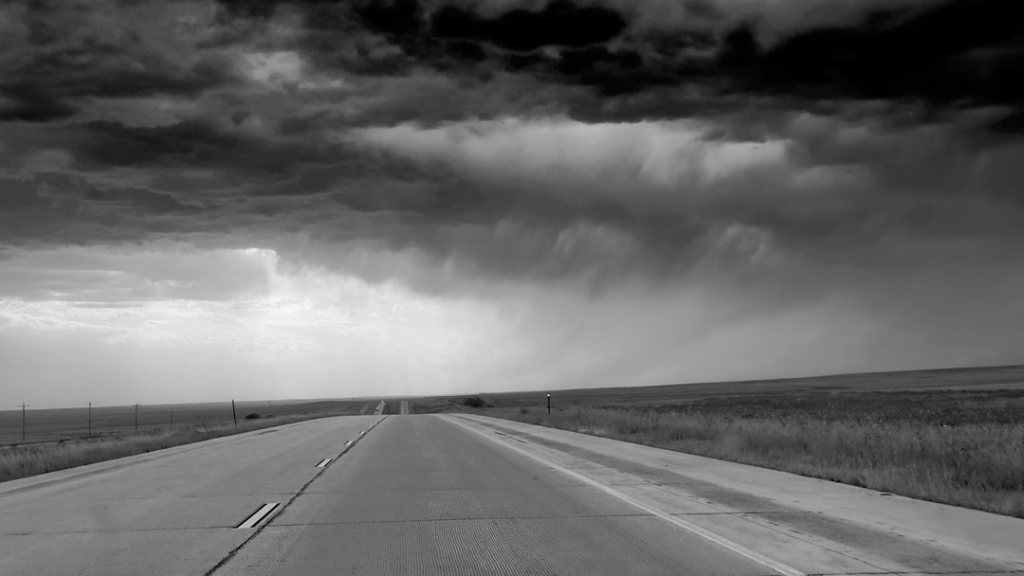
This last week was filled with lots of unsettled weather. Lots of rain, some hail, tornado warnings with at least one or two touching ground. These are snapshots taken from my Garmin Dash cam.
A shelf cloud is a low, horizontal, wedge-shaped arcus cloud. A shelf cloud is attached to the base of the parent cloud, which is usually a thunderstorm cumulonimbus, but could form on any type of convective clouds. Rising cloud motion can often be seen in the leading (outer) part of the shelf cloud, while the underside can often appear as turbulent and wind-torn. Cool, sinking air from a storm cloud‘s downdraft spreads out across the land surface, with the leading edge called a gust front. This outflow cuts under warm air being drawn into the storm’s updraft. As the lower and cooler air lifts the warm moist air, its water condenses, creating a cloud which often rolls with the different winds above and below (wind shear).
People seeing a shelf cloud may believe they have seen a wall cloud. This is likely to be a mistake, since an approaching shelf cloud appears to form a wall made of cloud. Shelf clouds usually appear on the leading edge of a storm, while wall clouds are usually at the rear of the storm.
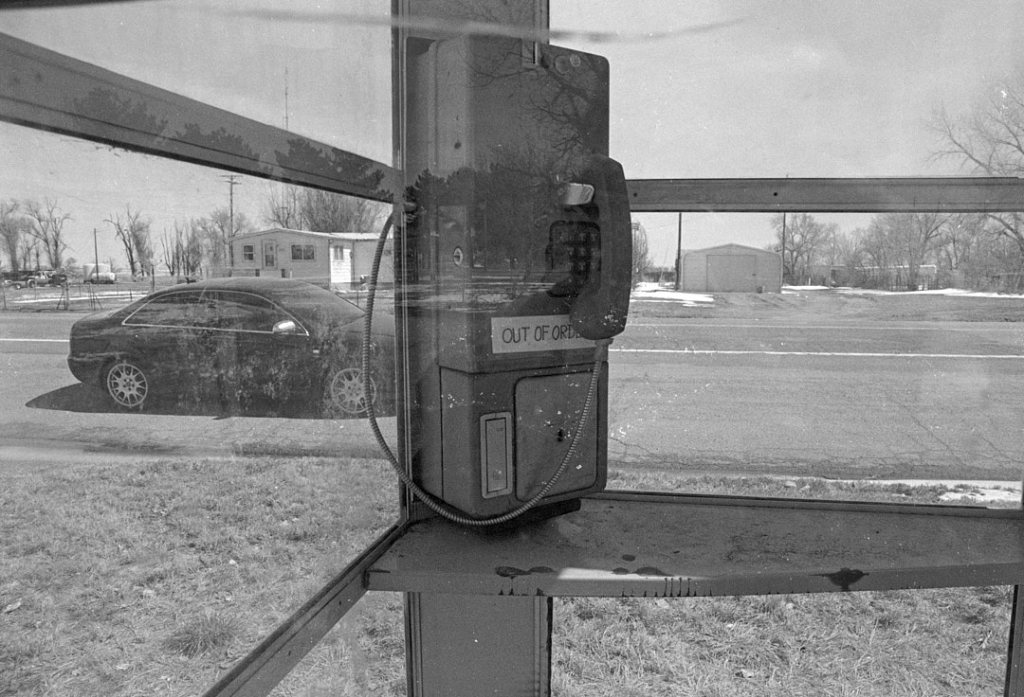
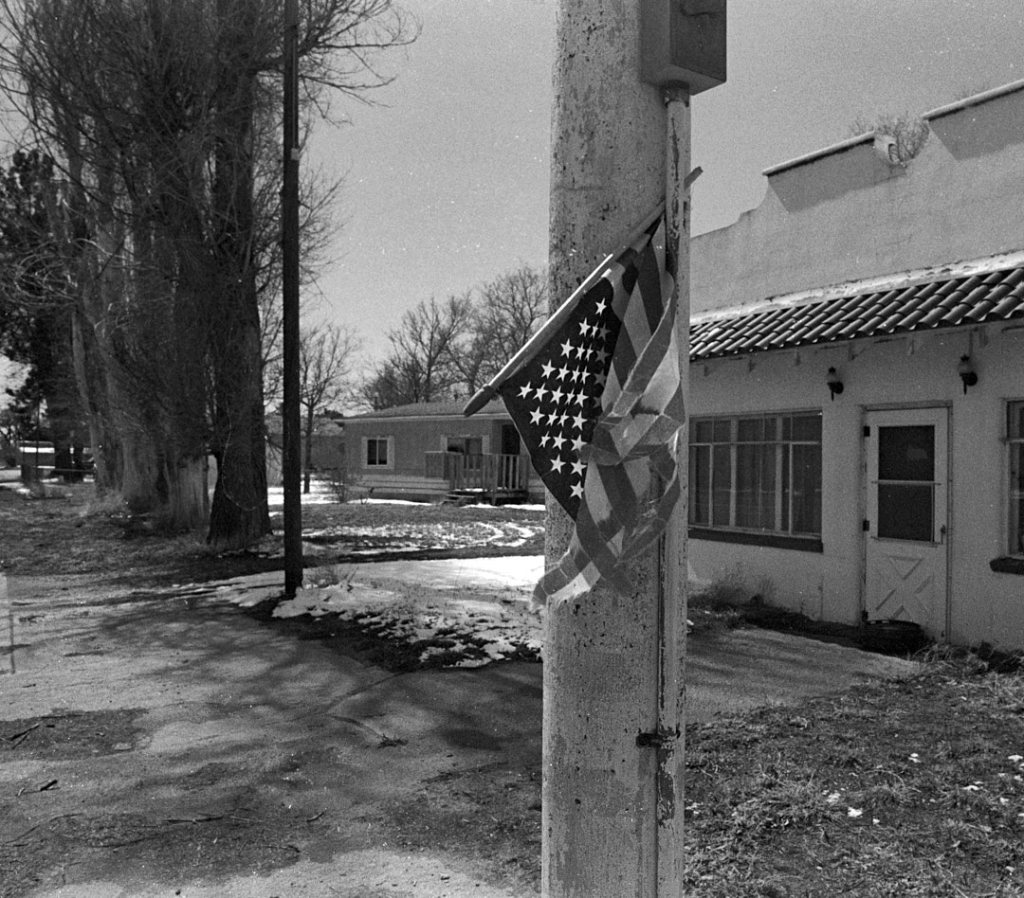
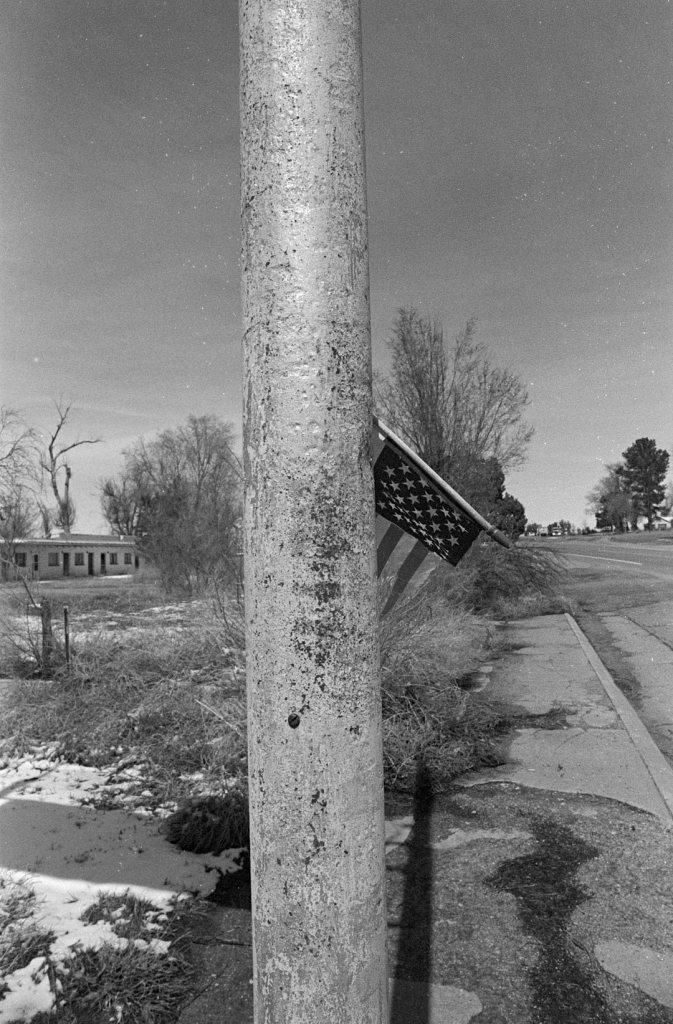
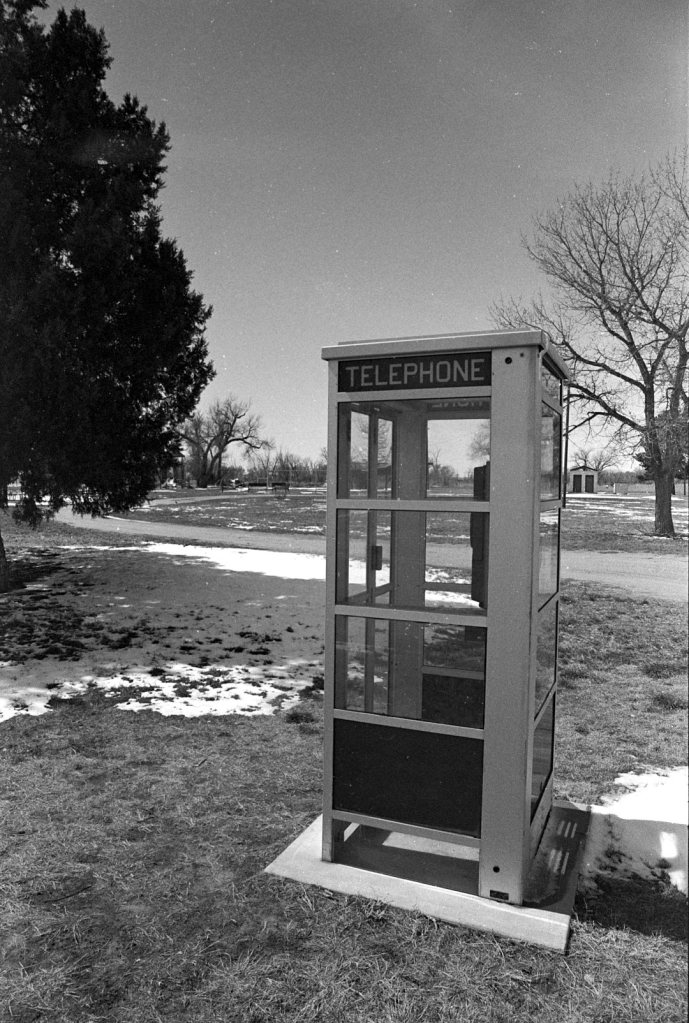
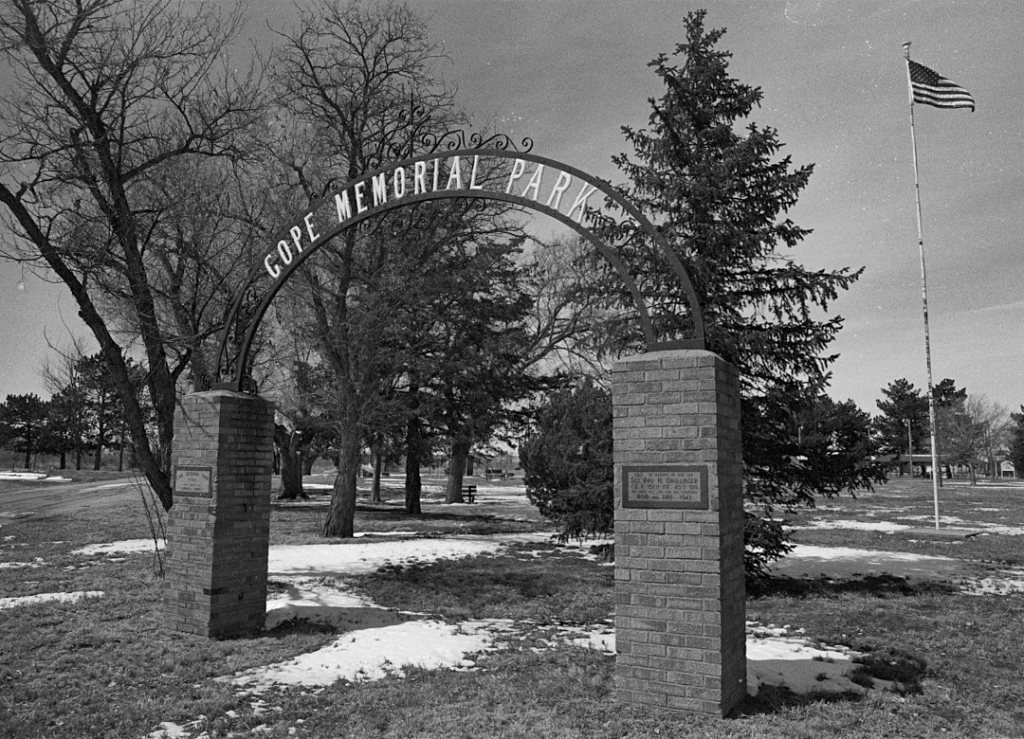
Cope, Colorado is a very small town on Highway 36 in Northeastern Colorado. It is about 30 miles from the Kansas border. For such a small town it has a number of photogenic sites. For my part time job I frequently go thru Cope.
 In Plain Site